I have spent years walking into lives that are not my own — quietly, with a camera, and an open ear. Documentary photography, for me, has never been about the decisive moment alone. It has always been about presence: about sitting long enough that people forget you are watching, and begin simply to be.
I am based in India, working at the intersection of culture, tradition, and the quiet resilience of the human spirit. My work examines communities often unseen — those living at the margins of society, carrying stories that deserve to be told.
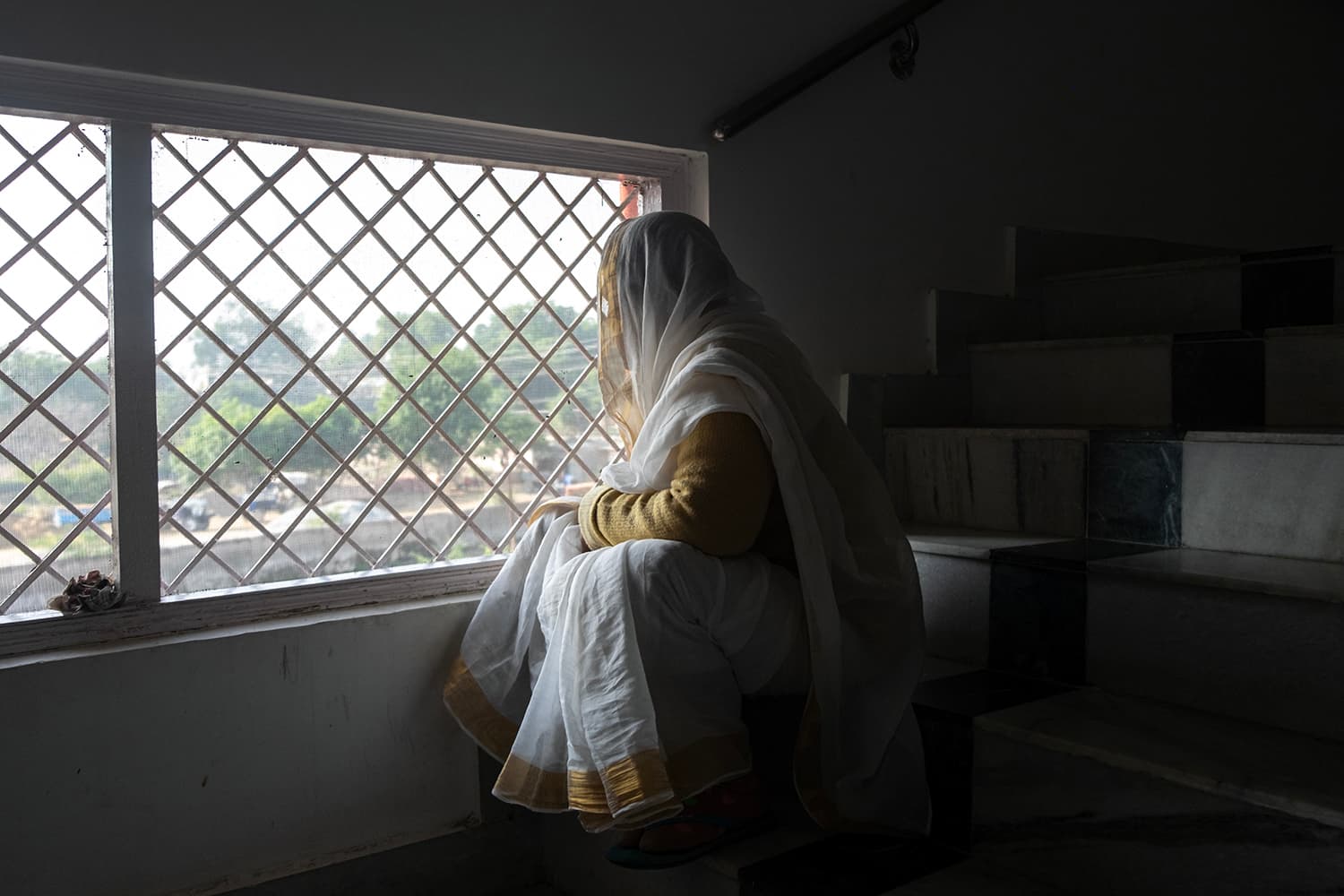
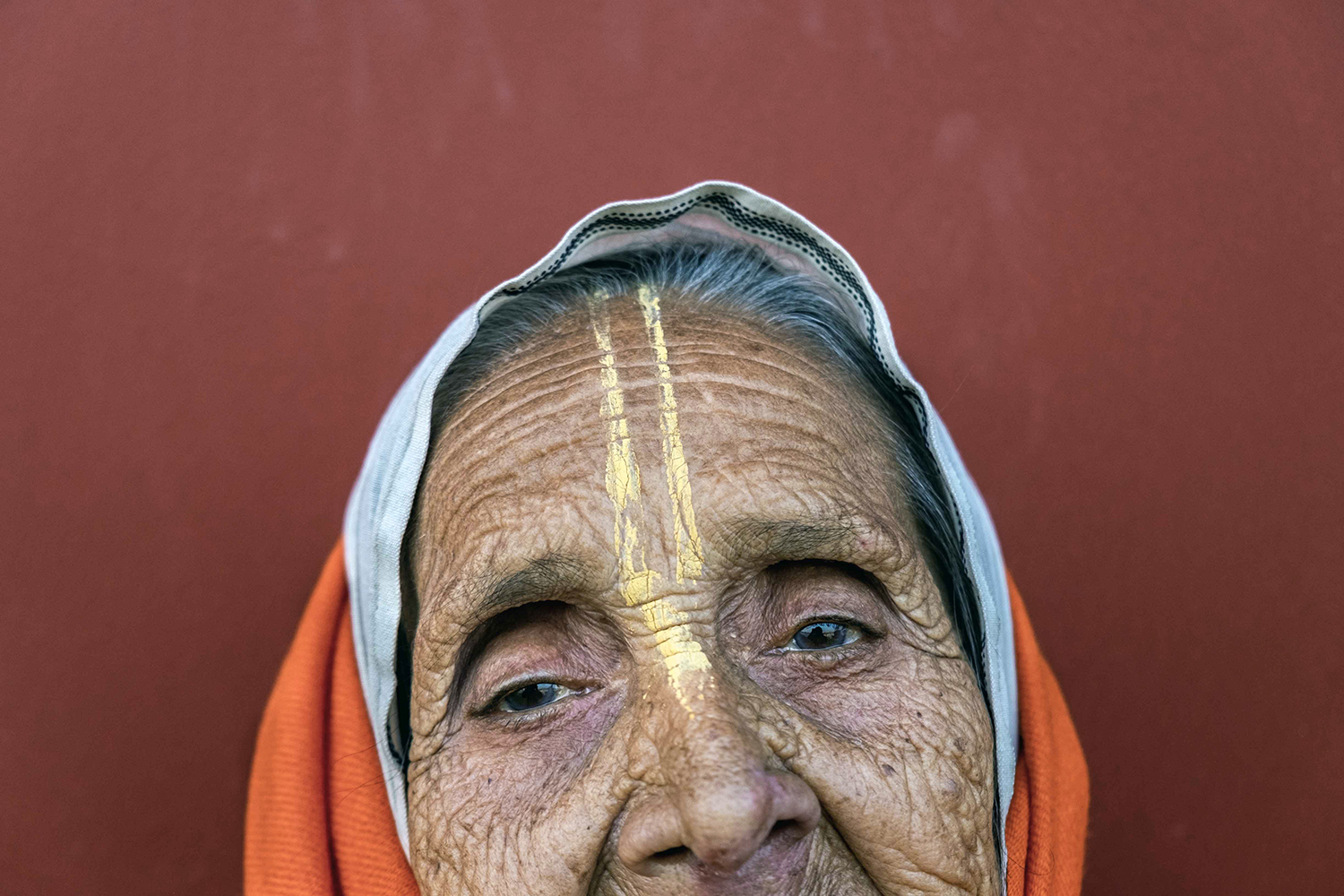
The first series I ever completed was about the widows of Vrindavan. I had read about them in passing — women who had been abandoned by their families after their husbands died, driven to a city they had never chosen, left to survive on alms and devotional singing. What I found when I arrived was something far more nuanced than grief.
on beginning
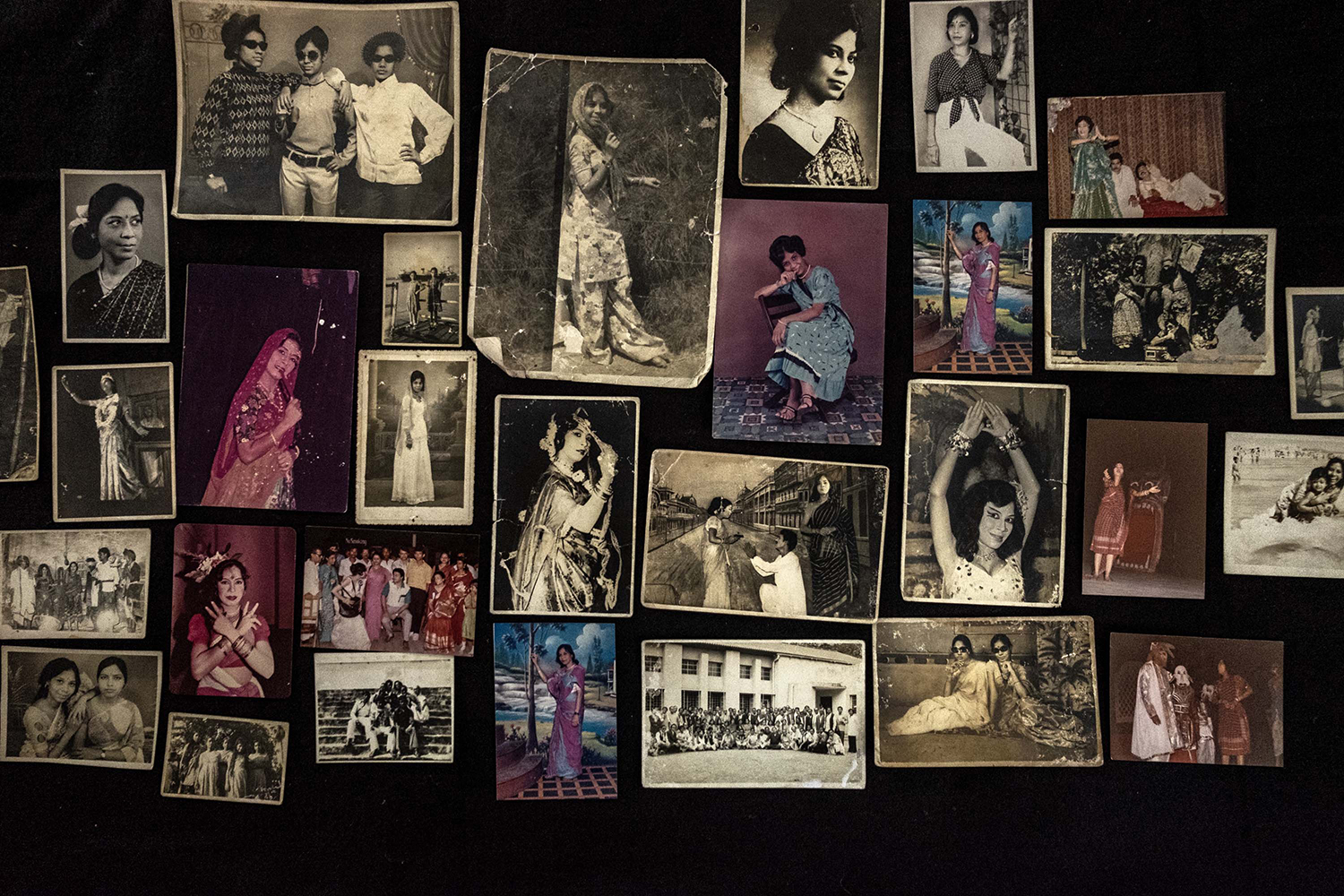
Every project begins the same way: I arrive with too many assumptions and leave with none of them intact. Vrindavan taught me to be quiet. The women I photographed did not need my sympathy. They needed to be seen — not as victims, but as whole people with full interior lives: with humour, with irritation, with fierce opinions about the quality of the dal served at the ashram.
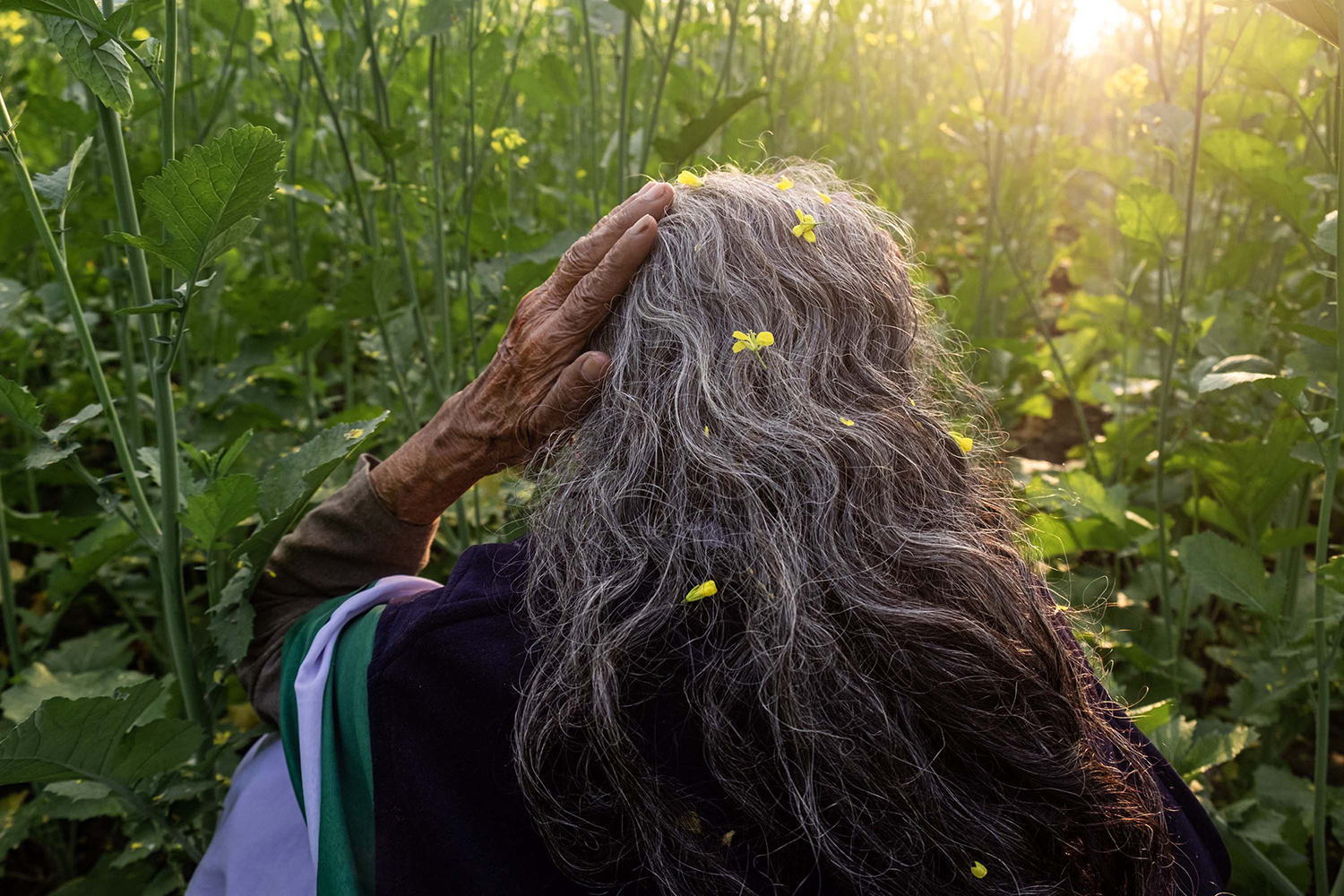
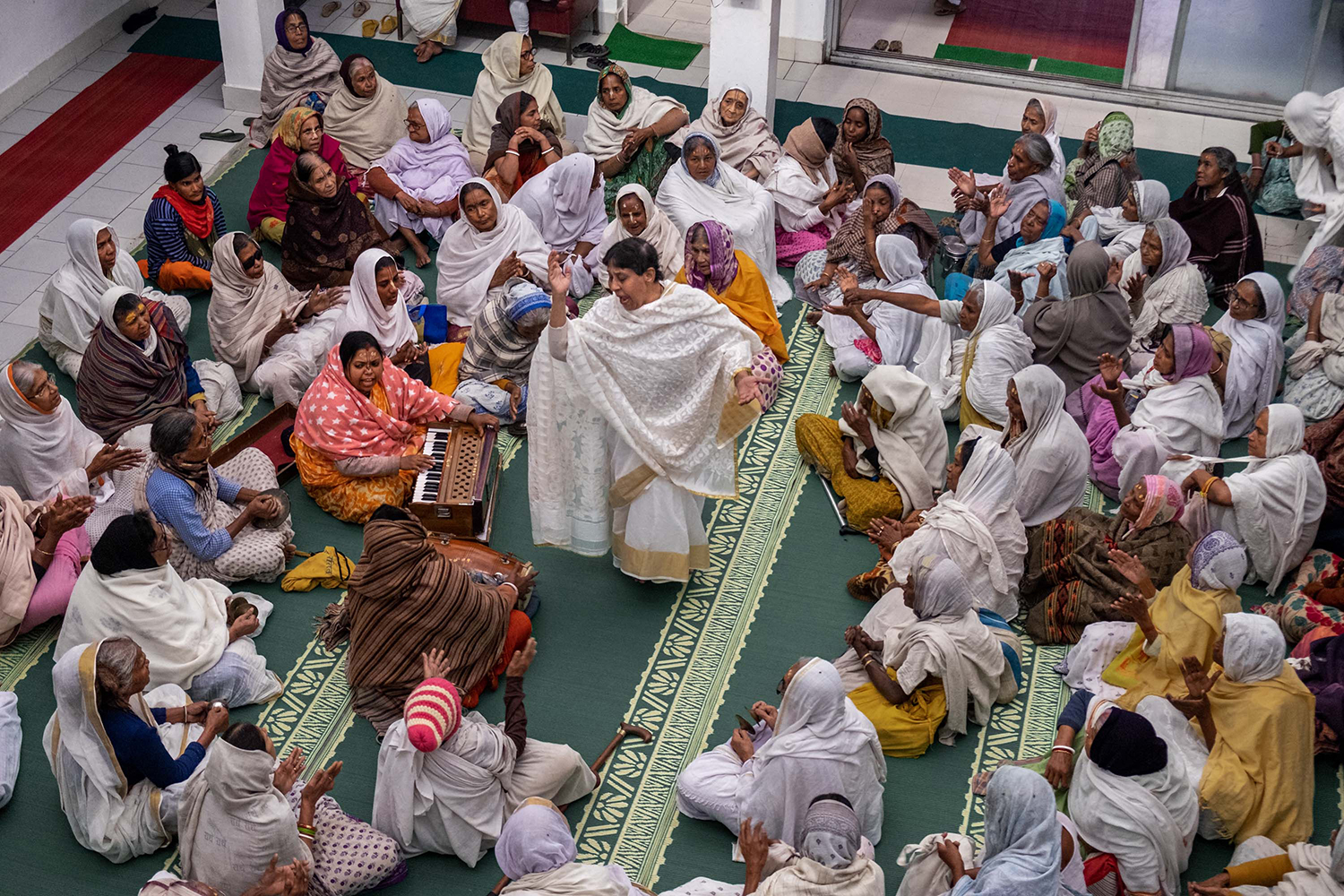
This is my first post on this site, and I wanted it to be a kind of statement: about what I believe documentary photography is for, and about the four long-form projects that have shaped the last decade of my working life — the Brahmacharis, the carpet weavers of Rajasthan, the outcast widows, and the Djinn-worshippers at Feroz Shah Kotla.
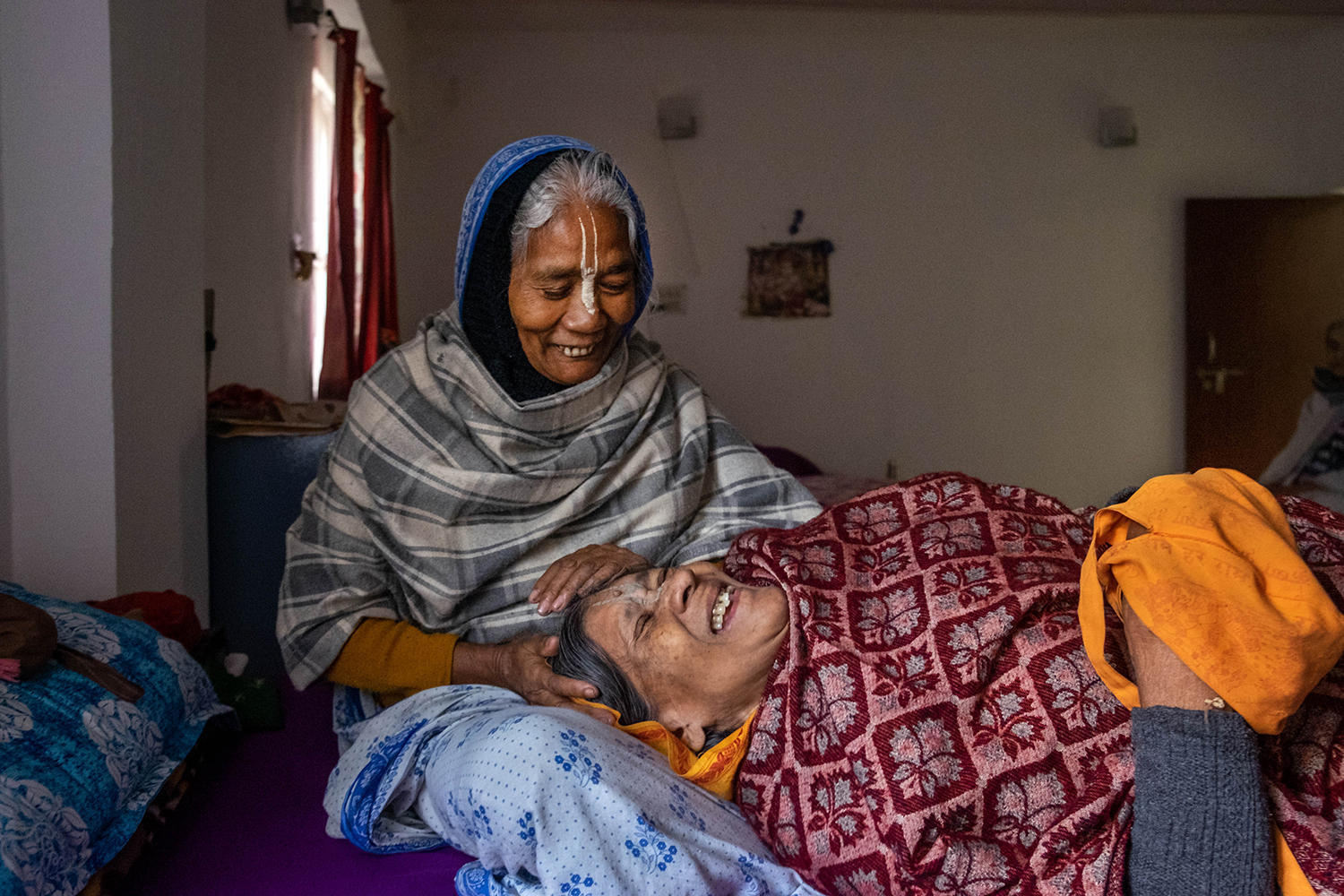
To look is an act of care, when done with honesty. I hope these photographs — and these words — do some small justice to the people who allowed me inside their lives.